






SMALL BENEFITSorenessMuscle function
Muscle soreness
After exercise
17 studies319 people
Across 17 studies, compression after exercise gave small improvements in muscle function and in how sore people felt.
Maia et al., 2024


 RunnersCompression, knee support, cold therapy
 Gym & Fitness LoversMassage guns, TENS and recovery tech
 AthletesThe PRO range plus Thermasleep
 Wellness Lovers & RelaxationMassage, sauna, sleep and switching off
 Problem SleepersThermasleep and Halo
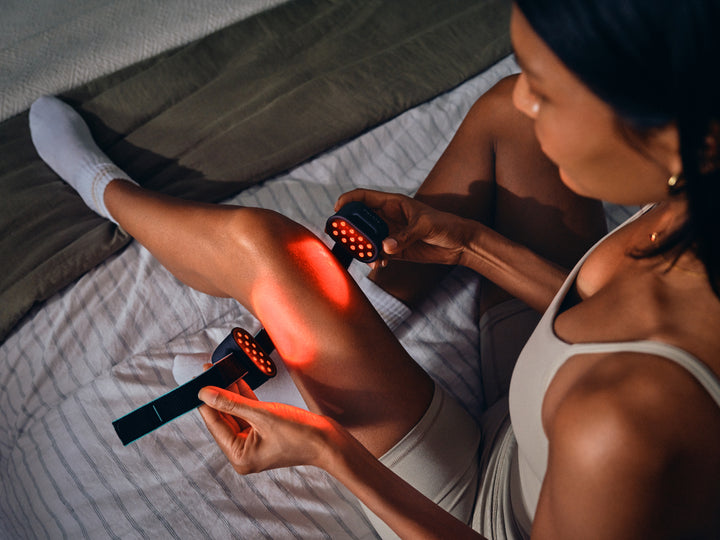 Targeted ReliefTENS, infrared and targeted hot and cold
 All giftsEvery gift, grouped by who it is for
 E-Gift CardDelivered by email, from £50
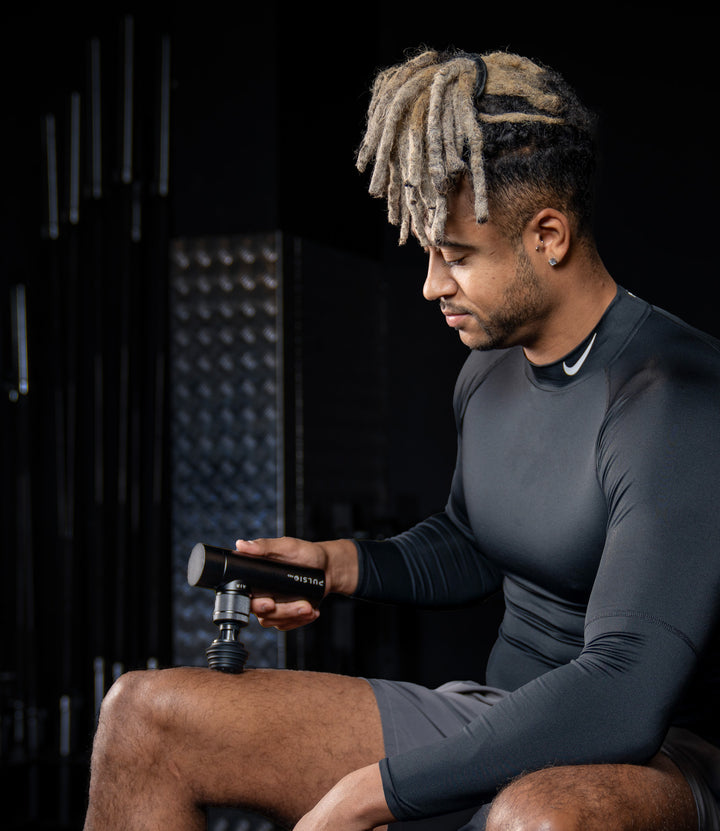 Full BodyWhole-body heat, cold, compression and sleep
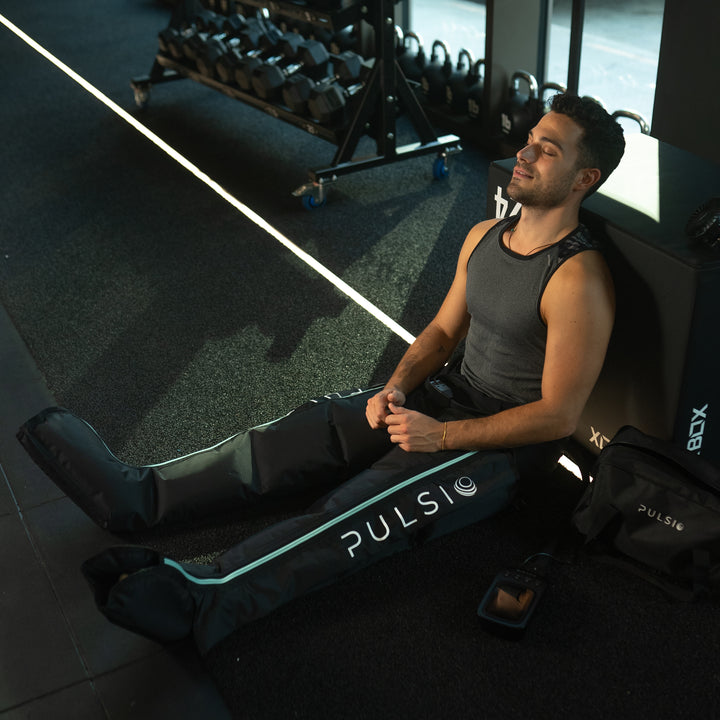 LegsQuads, hamstrings and full-leg compression
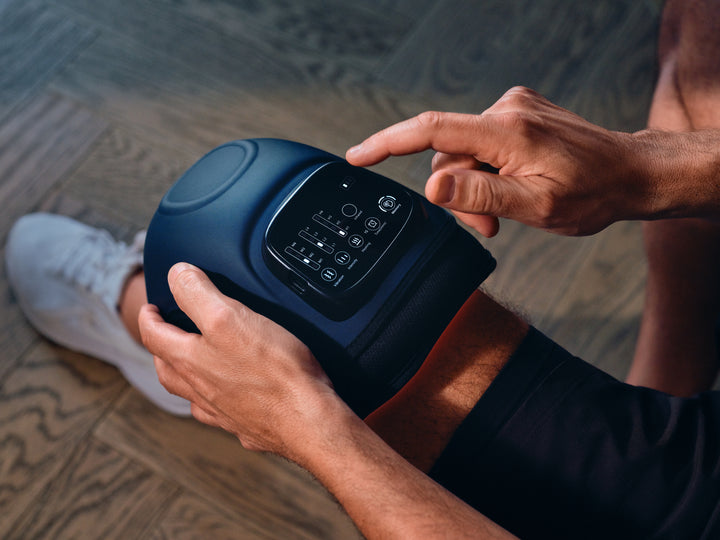 KneesInfrared knee therapy and support
 Calves & FeetLower-leg compression and cold therapy
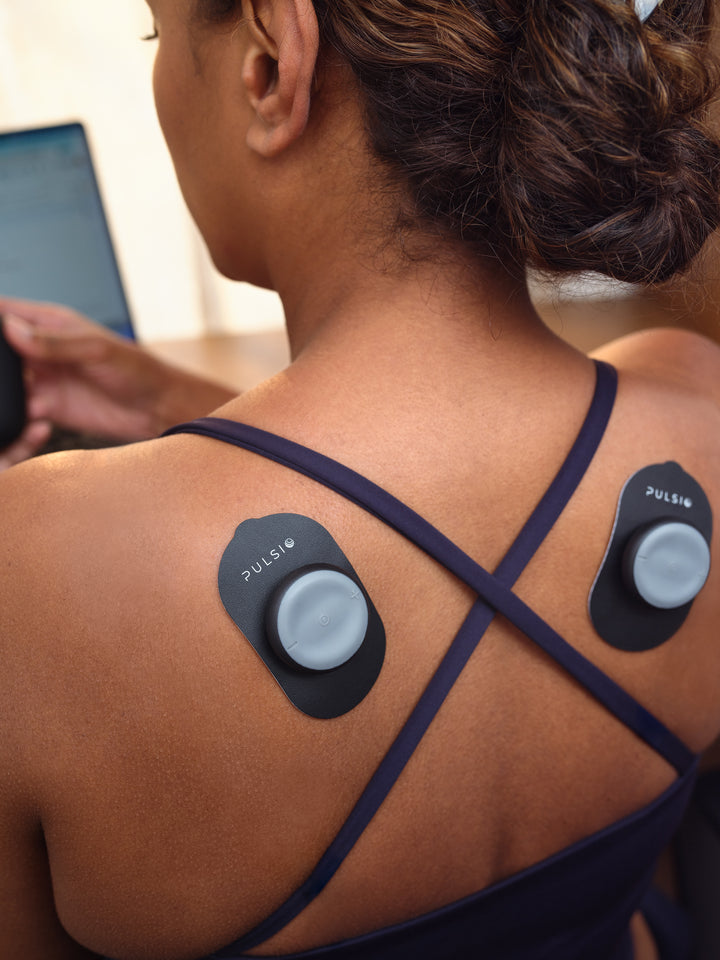 BackPercussion, TENS and mobility for the back
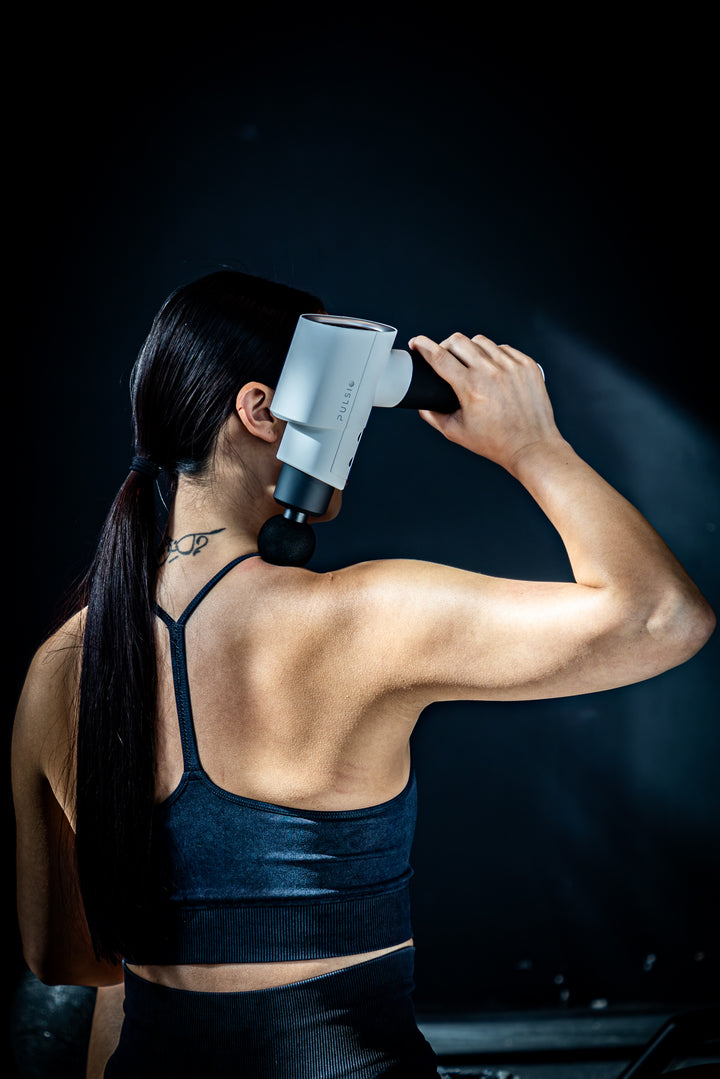 ShouldersPercussion and targeted TENS
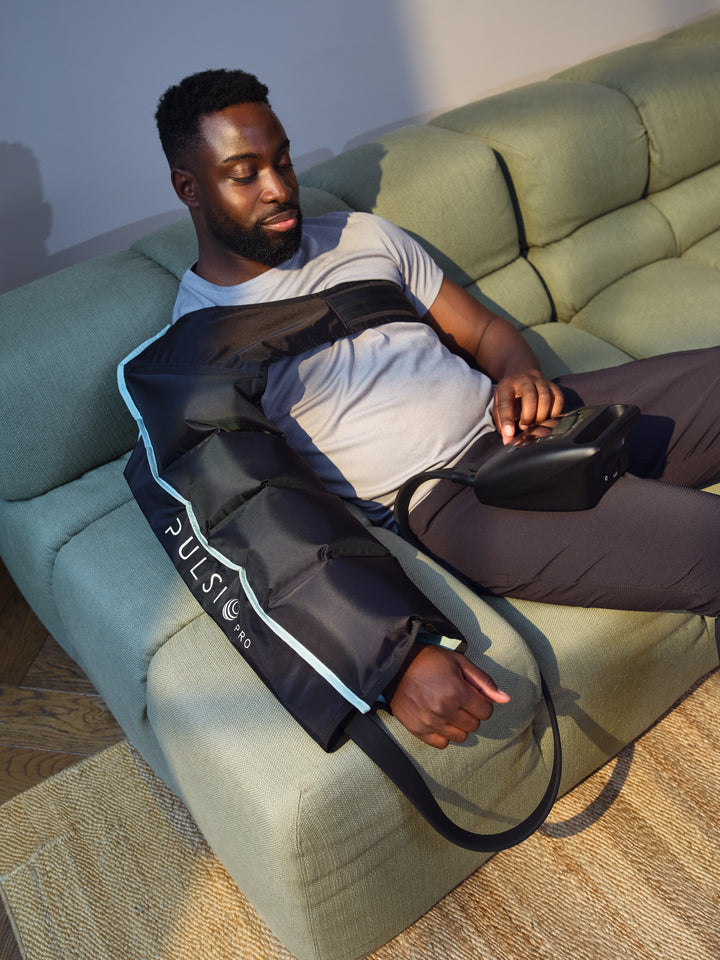 ArmsPRO arm attachments, percussion and TENS


Black Friday
Gift Guide
RunnersCompression, knee support, cold therapy
Gym & Fitness LoversMassage guns, TENS and recovery tech
AthletesThe PRO range plus Thermasleep
Wellness Lovers & RelaxationMassage, sauna, sleep and switching off
Problem SleepersThermasleep and Halo
Targeted ReliefTENS, infrared and targeted hot and cold
All giftsEvery gift, grouped by who it is for
E-Gift CardDelivered by email, from £50
Body Area
Full BodyWhole-body heat, cold, compression and sleep
LegsQuads, hamstrings and full-leg compression
KneesInfrared knee therapy and support
Calves & FeetLower-leg compression and cold therapy
BackPercussion, TENS and mobility for the back
ShouldersPercussion and targeted TENS
ArmsPRO arm attachments, percussion and TENS




The science of compression
Air compression has been studied for decades. Here’s what the research tells us, and how we’ve built it into Compression and Compression PRO: four overlapping chambers that squeeze from foot to thigh, with up to 250mmHg on PRO.
The evidence
Researchers have studied air compression around the legs since the 1930s. The idea of copying the calf muscle pump from the outside goes back more than 50 years.
Sports scientists started looking at it for recovery more recently. That research is younger and smaller, and it grows every year.
Source: PubMed search for pneumatic compression in titles and abstracts, October 2026. Review: Maia et al., 2024.
How Compression PRO is designed
Your calves do a lot of squeezing on their own. Every time you walk, they tighten and relax with each step. When you sit or rest, that rhythm stops.
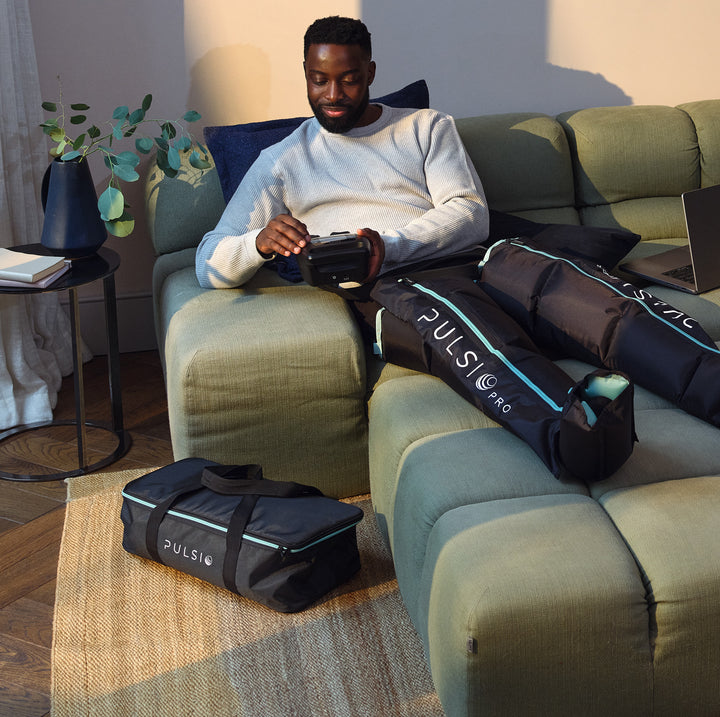
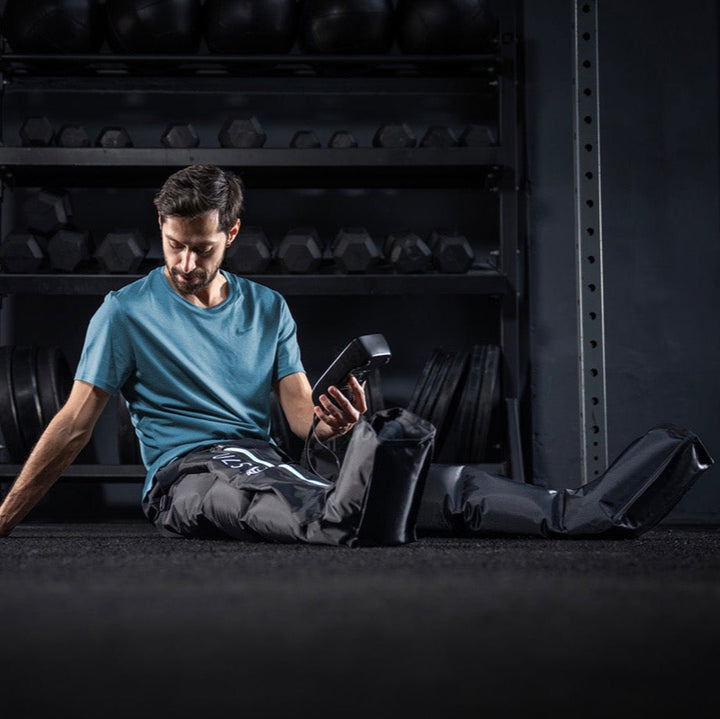
Compression boots work on the same idea from the outside. Four overlapping chambers fill in order, from your foot up to your thigh, then let go, so the squeeze always travels in one direction.
Pressure sensors read every chamber in real time and adjust it to the shape of your leg, so the squeeze stays even from top to bottom.
12 pressure levels
40mmHg, gentle250mmHg, firm

Why pressure matters
Pressure is what you feel. Compression PRO runs from a gentle 40mmHg to a firm 250mmHg across 12 levels, and Compression goes up to 200mmHg. Start gentle and build up to the squeeze that suits you.
The science
Choose a mode to see how the chambers fill
Sequential pneumatic compression is the scientific name for what the boots do. Air chambers wrap the leg and inflate in order, starting at the foot, then release.
The order is the point. A squeeze that starts at the foot and travels up the leg feels like one smooth wave, rather than four separate squeezes.
Sequence, the default. Each chamber inflates to your chosen pressure and releases before the next one starts. Short, rolling bursts of compression that never hold one area for long.
Circulation. Chambers fill one after another, foot first, and hold until all four are inflated. Then they release together. The longest, most continuous squeeze of the three.
Combination. Sequence and Circulation in one alternating cycle: a rolling wave, then a full build from foot to thigh, then round again.
Inside your legs
Four steps, from the first chamber filling to the release. Tap a step, or use the arrows.
Why compression
A simple way to help your legs feel fresher. Here is what people reach for it for.
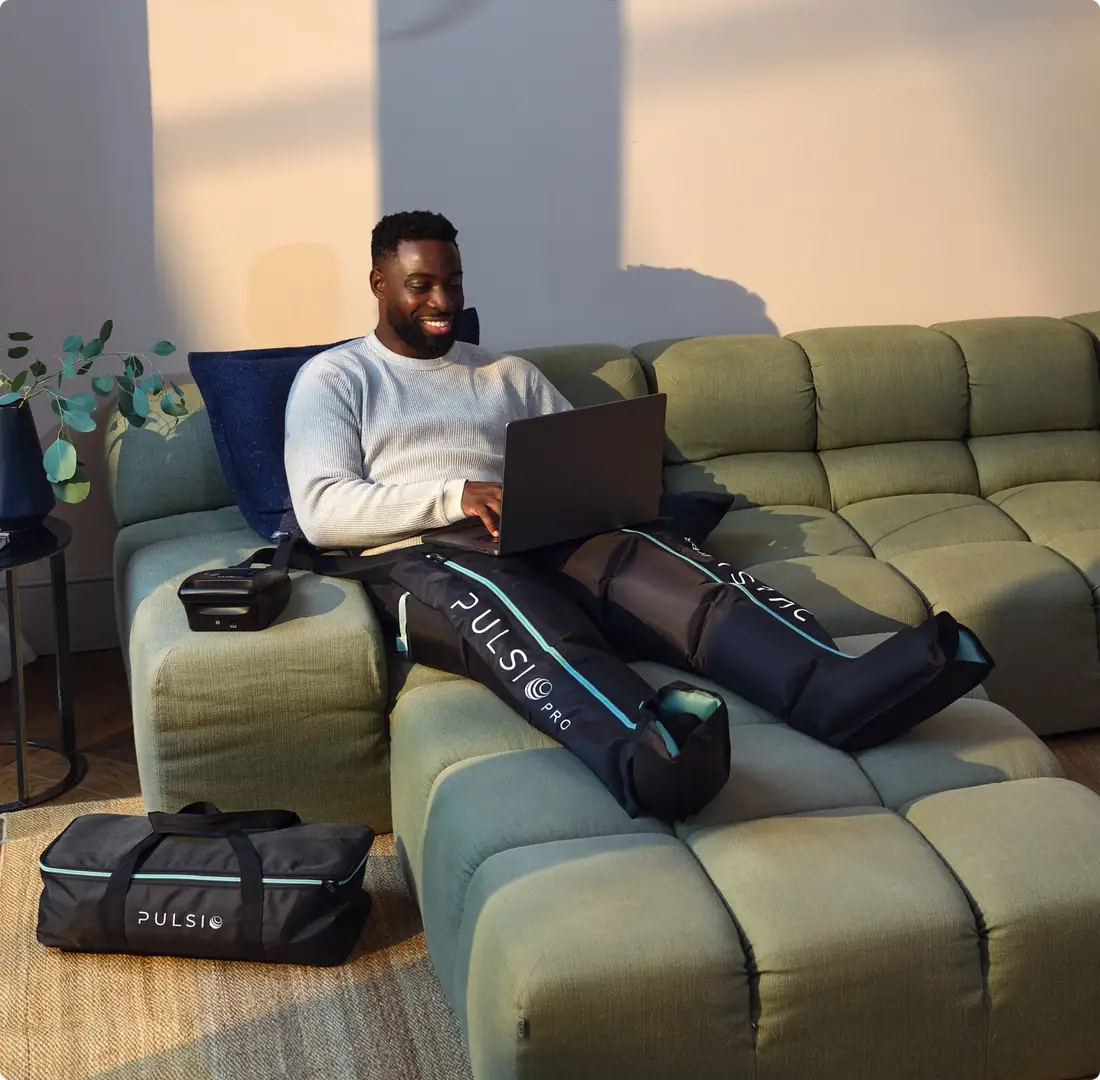
4chambers, working from foot to thigh
After a long run, a long shift or a long day on your feet, let the boots work the heaviness out while you put your feet up.

15–60minute sessions
Make it part of your cool-down, so your legs feel ready for the next session sooner.
250mmHg at the top setting
Twelve levels, from a gentle 40mmHg to a firm 250mmHg. Start easy and build up.
3modes to choose from
A slow, rhythmic, massage-like squeeze that makes it easy to sit back and switch off.
+2attachments for Compression PRO
Add the Hip attachment for your glutes, hips and lower back, or the Arm attachment for your shoulders, arms and hands. Same controller, same wave.
Meet Compression PRO
Compression PRO pairs up to 250mmHg of adaptive pressure with four overlapping chambers, in a wireless design you can take anywhere.
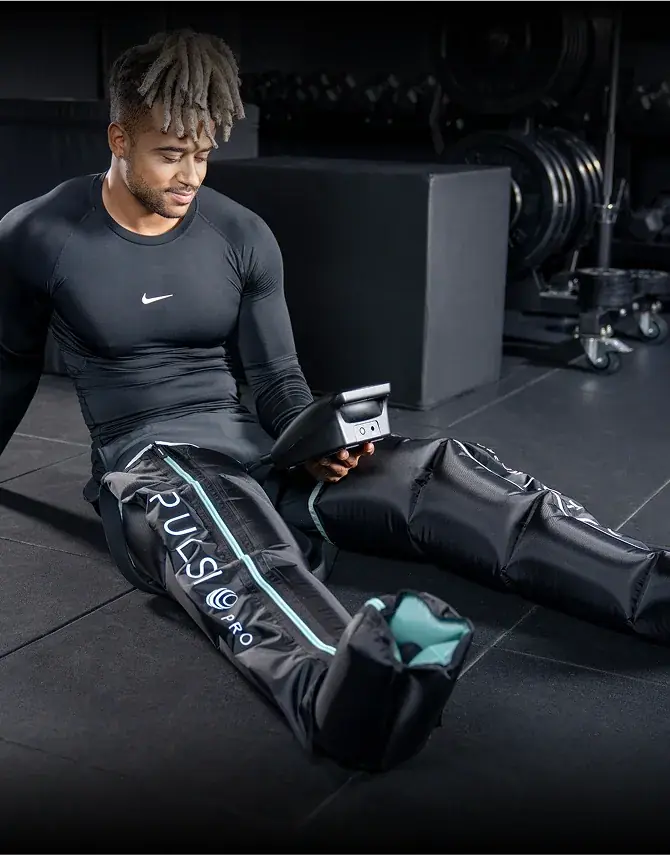
Our most powerful compression yet, adjustable across 12 levels from 40mmHg, with a pump built for faster inflation.
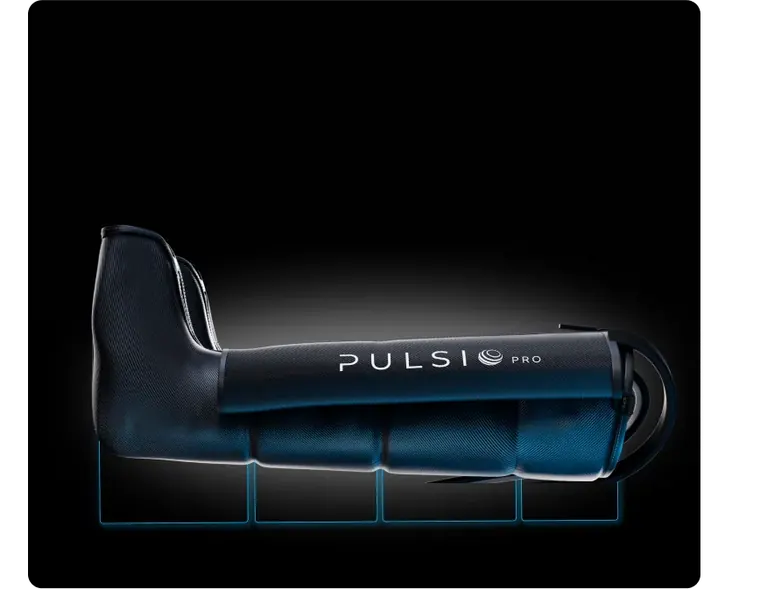
Foot, calf, lower thigh and upper thigh. Each one overlaps the next, so the squeeze never stops short.
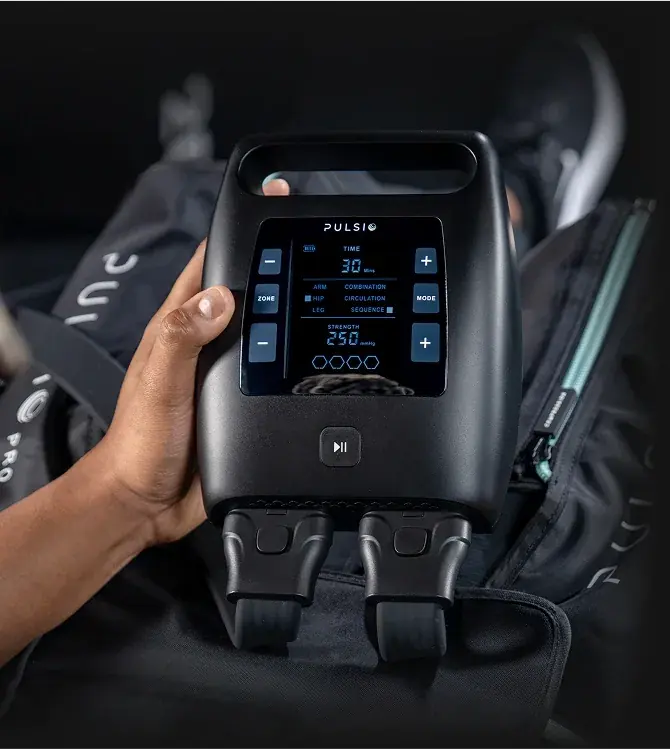
A touch-screen controller shows live pressure, your timer and the active chamber. No plug needed mid-session.
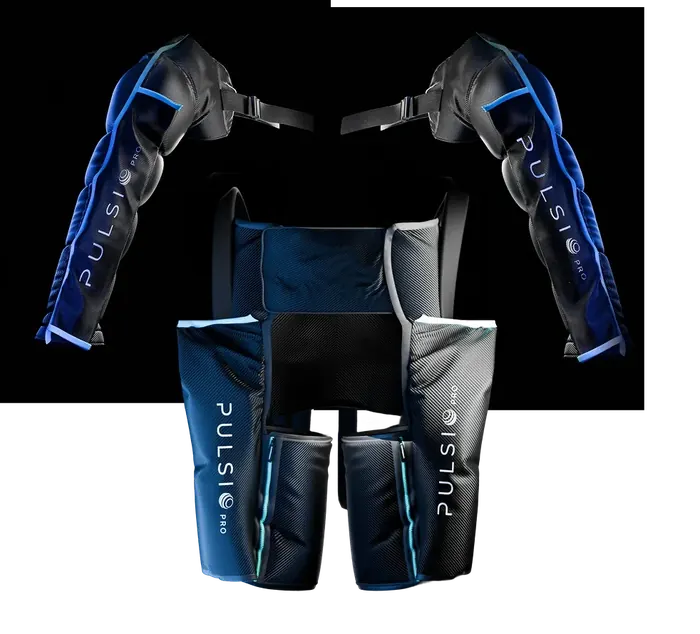
Add the Hip and Arm attachments to take the same compression beyond your legs.
Why Compression PRO?
| Feature | Other leading brands | Pulsio Compression PRO |
|---|---|---|
| Maximum pressure | Up to about 110mmHg | Up to 250mmHg |
| Pressure range | About 20 to 110mmHg | 40 to 250mmHg, in 12 levels |
| Price | About £550 to £900 | £399.99 |
| Wireless | Varies | Up to 3 hours per charge |
| Hip and arm attachments | Varies | Both available |
Other leading brands: the best-known premium compression boots sold in the UK, from their published specifications and UK prices, October 2026.
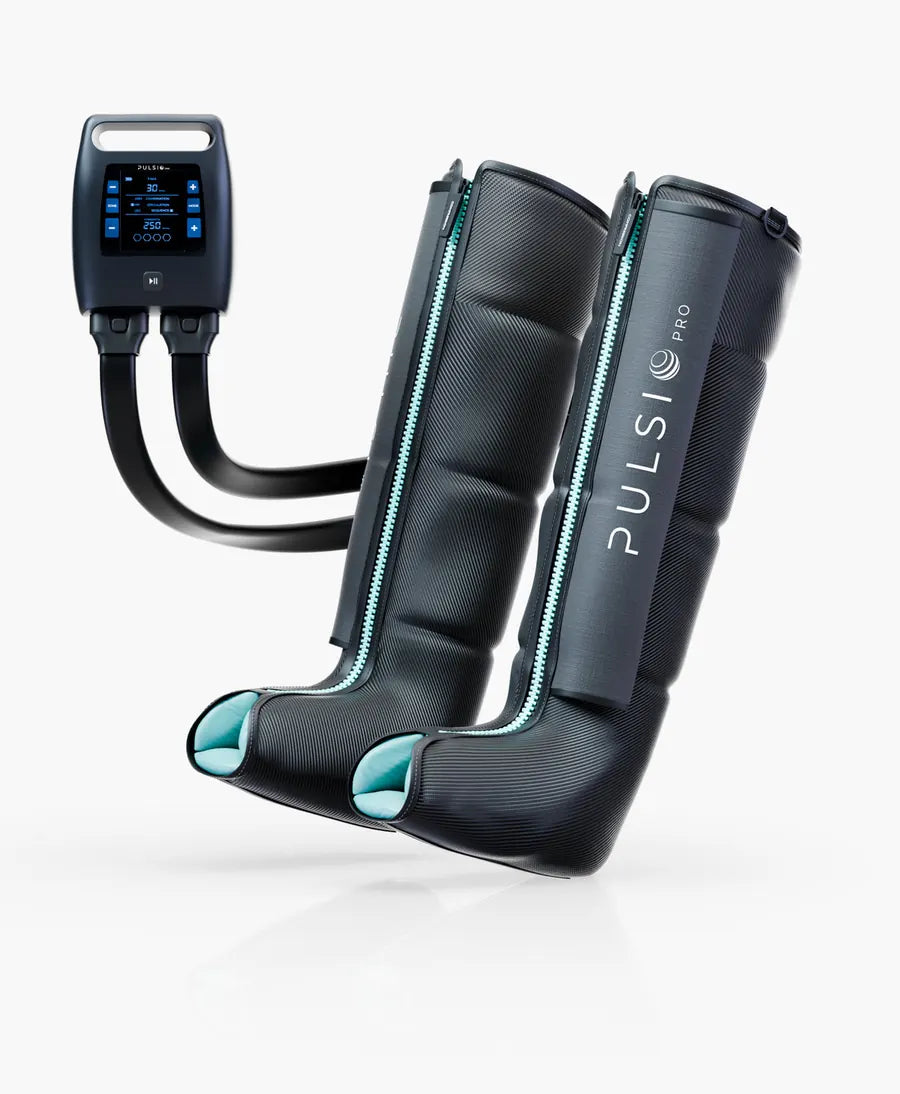
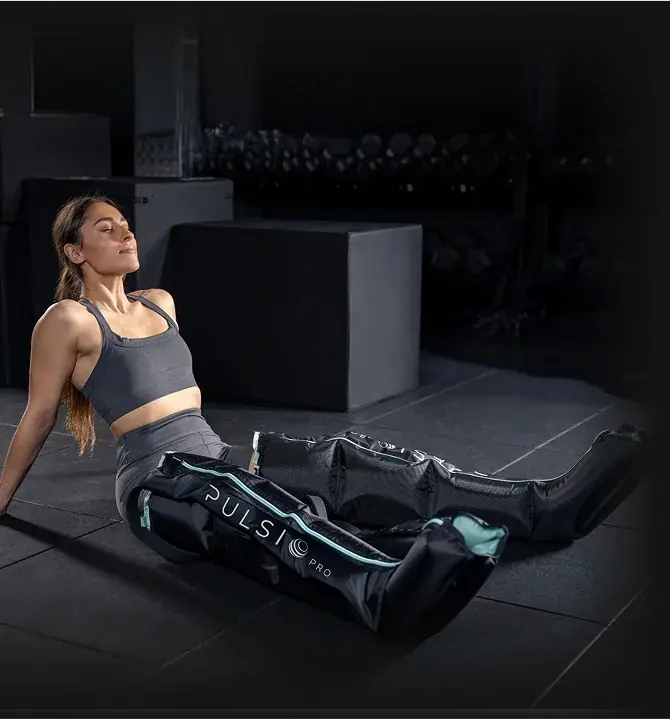
Compression PRO
Compression PRO brings up to 250mmHg of adaptive pressure across four overlapping chambers, wirelessly, wherever you recover.
£399.99Sizes X-Small to Large
Four chambers. 250mmHg. One wireless recovery system.
Shop Compression PROWhat the evidence says
Summaries of studies and reviews looking at air compression for recovery.
After exercise
Across 17 studies, compression after exercise gave small improvements in muscle function and in how sore people felt.
Maia et al., 2024After a 161km ultramarathon
One 20-minute session after the race lowered how fatigued runners’ muscles felt straight afterwards. It made no difference to soreness or running times over the next week.
Hoffman et al., 2016Forward splits
Fifteen minutes of compression improved forward-split flexibility more than the same session with the leggings left uninflated.
Sands et al., 2014The studies used different devices, pressures and session lengths. They did not test Pulsio boots, but help explain the wider research behind air compression.
FAQ
Need help choosing? Our UK team is happy to talk it through.
Get in touchYes. Try it for 60 days, and if it isn’t right for you, send it back for a full refund.
Compression PRO sessions can be set from 15 to 60 minutes, in 5-minute steps. Compression offers 20, 25 or 30 minutes.
Sequence is the default: short, rolling bursts, one chamber at a time. Circulation builds from foot to thigh and holds before releasing. Combination alternates the two. Try each and use the one that feels best.
Start low and build up. The squeeze should feel firm but comfortable. If it ever feels painful, or you get tingling or numbness, lower the pressure or stop.
Air compression is non-invasive. Don't use it over broken skin or a fresh injury.
If you have a medical condition, are pregnant or have recently had surgery, check with your GP before using it.
Both have four overlapping chambers, three modes and smart pressure sensing. Compression PRO goes up to 250mmHg across 12 levels, is wireless with up to 3 hours per charge, and works with the Hip and Arm attachments. Compression goes up to 200mmHg, isn’t wireless and doesn’t take the attachments.
Both come in X-Small, Small, Medium and Large, and suit most people between 5’0” and 6’4”. Check the size chart on the product page. If you are between sizes, size down.
Yes. Air compression has been studied for decades, and sports scientists have been testing it for recovery since the 1990s. In sport, studies often find people feel less sore or less fatigued after a session, though the effects are small and not every study agrees. The studies on this page used a range of devices, pressures and session lengths. They did not test Pulsio boots.
Pulsio compression boots are not intended to diagnose, treat, cure or prevent any disease.
To ensure the best fit of your Pulsio Compression Boots, measure the inseam of your leg from your heel to
the uppermost part of your inner thigh.
If you are in between sizes, we recommend sizing down to ensure the best fit.
| Size | Upper Thigh | Leg Inseam | Height |
|---|---|---|---|
| Small |
Up to 27” Up to 69cm |
25” - 29” 64cm - 74cm |
5’0” - 5’5” 152cm - 168cm |
| Regular |
Up to 29” Up to 74cm |
29” - 34” 74cm - 86cm |
5’5” - 6’0” 176cm - 182cm |
| Large |
Up to 32.5” Up to 83cm |
34” - 36” 86cm - 91cm |
6’0” - 6’6” 182cm - 198cm |